
Bangladesh Bank - Central Bank of Bangladesh, Dhaka
Address
Motijheel Commercial Area, Dhaka-1000, Dhaka, Bangladesh
Listed in Categories

Arman
banani
- 79978 Views
- 499 Listings
- 0 Followers
About the Business
Introduction
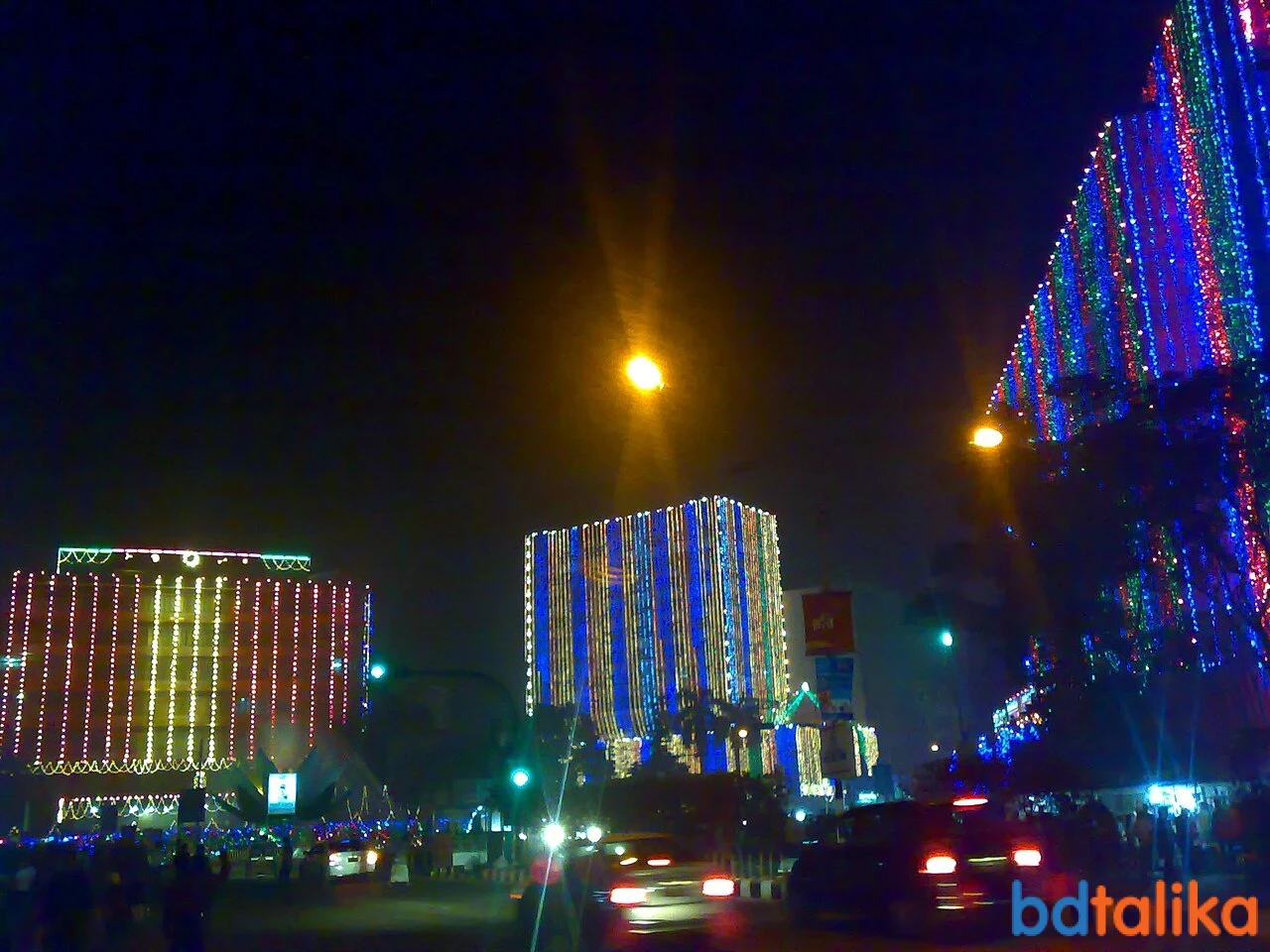
Bangladesh Bank stands as the central bank of Bangladesh, serving as the backbone of the nation's financial system. Located in the heart of Motijheel, Dhaka's premier commercial district, Bangladesh Bank plays a pivotal role in regulating and managing the country's banking sector. As the monetary authority of Bangladesh, the institution is responsible for implementing policies that ensure economic stability and financial growth across the nation.
About Business
Bangladesh Bank operates as a government institution with the primary mandate of maintaining monetary stability and regulating the banking system. Established to oversee financial operations at the national level, Bangladesh Bank manages critical functions including currency issuance, monetary policy formulation, and banking sector supervision. The organization's headquarters in Motijheel reflects its central position in Bangladesh's financial landscape, making it accessible to banking professionals, government officials, and financial stakeholders.
Products & Services
As the central banking authority of Bangladesh, the institution provides essential financial services and regulatory functions:
- Monetary policy formulation and implementation
- Currency issuance and management
- Banking sector regulation and supervision
- Foreign exchange reserve management
- Payment and settlement systems oversight
- Financial stability monitoring and analysis
- Credit policy development and execution
- Banking license issuance and compliance monitoring
Why Choose This Business
Bangladesh Bank represents the highest level of financial authority in the country. The institution's commitment to maintaining economic stability and fostering a healthy banking environment makes it indispensable for Bangladesh's financial sector. With decades of experience in monetary management, Bangladesh Bank continues to adapt policies to meet contemporary economic challenges. The central bank's transparent operations and regulatory framework provide confidence to domestic and international financial institutions operating within Bangladesh.
Service Areas
Bangladesh Bank operates primarily from its headquarters in Dhaka, the capital city and financial hub of Bangladesh. The central bank's regulatory influence extends across all divisions of Bangladesh, overseeing banking operations nationwide. Through its various departments and divisions, Bangladesh Bank maintains coordination with financial institutions, government agencies, and international banking organizations across the country and globally.
Customer Commitment
Bangladesh Bank remains dedicated to promoting financial inclusion, economic development, and sustainable growth throughout Bangladesh. The institution prioritizes transparency in its operations and maintains open communication channels with stakeholders in the banking sector. Through continuous innovation in monetary policy and regulatory frameworks, Bangladesh Bank ensures that the nation's financial system remains robust, efficient, and capable of supporting Bangladesh's economic aspirations. The central bank's commitment to excellence in financial governance reinforces its position as the cornerstone of Bangladesh's economic infrastructure.
Reviews from google
Location & Hours
| Mon | closed |
|---|---|
| Tue | closed |
| Wed | closed |
| Thu | closed |
| Fri | closed |
| Sat | closed |
| Sun | closed |
Claim Your Business
Are you owner of this business ? Claim your access to update the business information. If
you think the business information are wrong, feel free report against the business.
Mahfuz Miah
23 Apr, 2026Bangladesh Bank is the central bank of Bangladesh. It acts as regulator & supervisor of scheduled Banks & finance companies. Main area of job are formulating monetary policy, issue Currency, managing foreign exchange reserve and ensure secured payment system. It plays vital role to achieve price stability and sustainable economic growth of Bangladesh.
nahid cero
27 Feb, 2022The 1972 Mujib government pursued a pro-socialist agenda. In 1972, the government decided to nationalise all banks to channel funds to the public sector and to prioritise credit to those sectors that sought to reconstruct the war-torn country – mainly industry and agriculture.[8] However, government control of the wrong sectors prevented these banks from functioning well. This was compounded by the fact that loans were handed out to the public sector without commercial considerations; banks had poor capital lease, provided poor customer service and lacked all market-based monetary instruments. Because loans were given out without commercial considerations, and because they took a long time to call a non-performing loan, and once they did, recovery under the erstwhile judicial system was so expensive, loan recovery was abysmally poor.[8][9] While the government made a point of intervening everywhere, it did not set up a proper regulatory system to diagnose such problems and correct them. Hence, banking concepts like profitability and liquidity were alien to bank managers, and capital adequacy took a backseat.[9] In 1982, the first reform program was initiated, wherein the government denationalised two of the six nationalised commercial banks and permitted private local banks to compete in the banking sector. In 1986, a National Commission on Money, Banking and Credit was appointed[9] to deal with the problems of the banking sector, and a number of steps were taken for the recovery targets for the nationalised commercial banks and development financial institutions and prohibiting defaulters from getting new loans. Yet the efficiency of the banking sector could not be improved.[8] The Financial Sector Adjustment Credit (FSAC) and Financial Sector Reform Programme (FSRP) were formed in 1990, upon contracts with the World Bank. These programs sought to remove government distortions and lessen the financial repression.[9] Policies made use of the McKinnon-Shaw hypothesis, which stated that removing distortions augments efficiency in the credit market and increases competition.[8] The policies therefore involved banks providing loans on a commercial basis, enhancing bank efficiency and limiting government control to monetary policy only. FSRP forced banks to have a minimum capital adequacy, to systematically classify loans and to implement modern computerised systems, including those that handle accounting. It forced the central bank to free up interest rates, revise financial laws and increase supervision in the credit market. The government also developed the capital market, which was also performing poorly.[citation needed] FSRP expired in 1996. Afterwards, the Government of Bangladesh formed a Bank Reform Committee (BRC), whose recommendations were largely unaddressed by the then-government.[citation needed] At present it has ten offices located at Motijheel, Sadarghat, Chittagong, Khulna, Bogra, Rajshahi, Sylhet, Barisal, Rangpur and Mymensingh in Bangladesh; total manpower stood at 5807 (officials 3981, subordinate staff 1826) as of 31 March 2015.
M TK
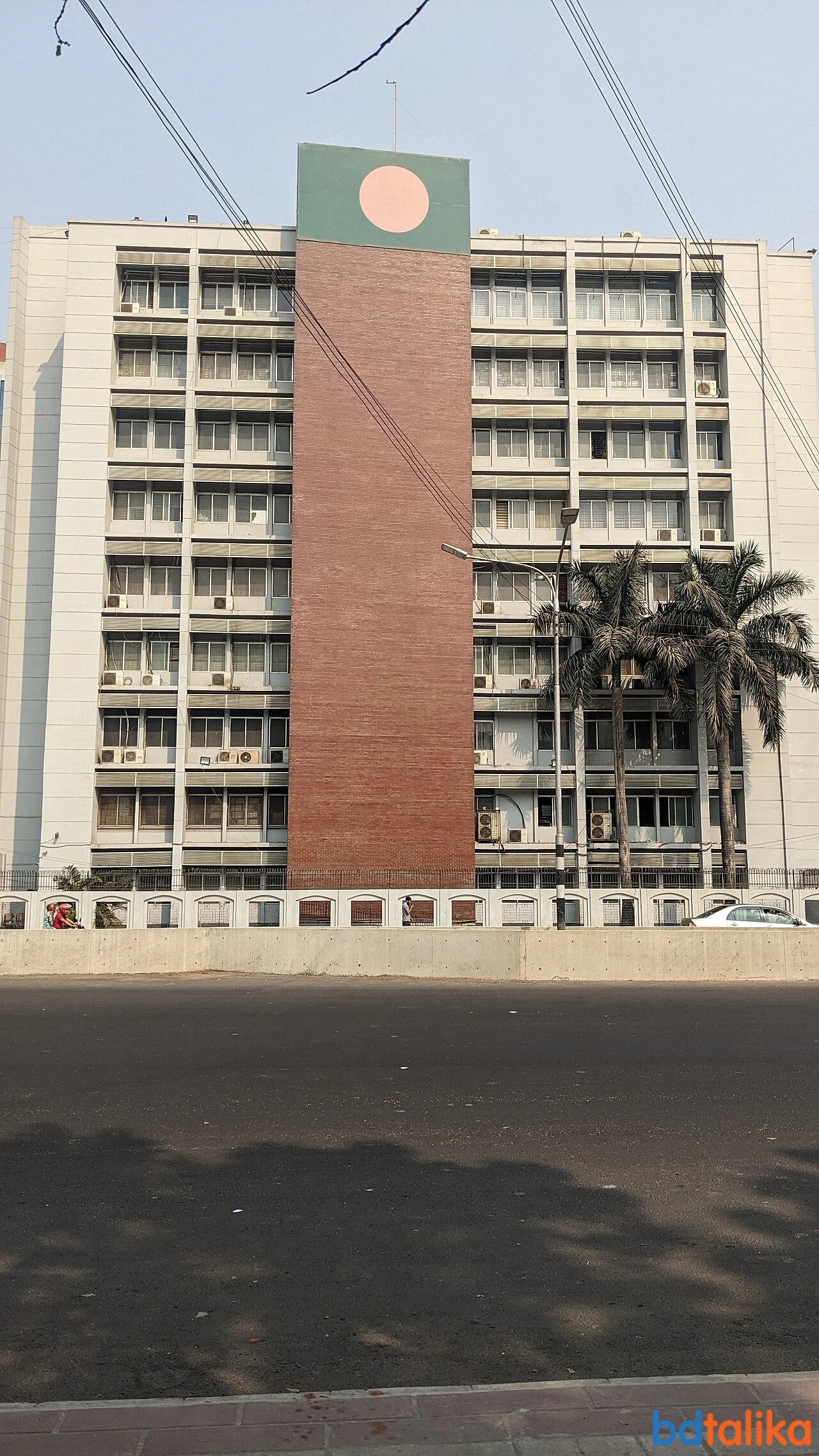
12 Jun, 2025Bangladesh Bank, the central bank of Bangladesh, plays a crucial role in maintaining monetary stability and overseeing the financial sector. Located in the iconic Bangladesh Bank Tower, it drives key policies on inflation control, foreign exchange, and financial inclusion. While the institution holds strong credibility, it faces challenges like technological modernization. Its efforts in digital banking and sustainable finance show promise for a more resilient future.
Sudipta Samaddar
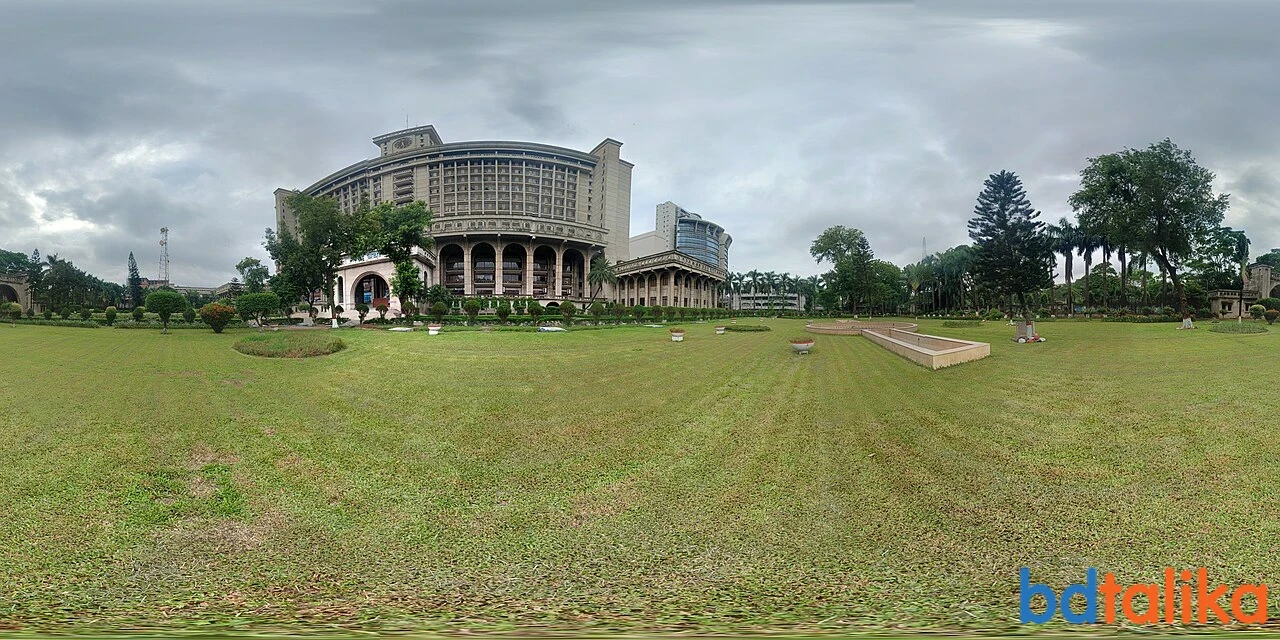
25 Mar, 2021Bangladesh Bank is the central monitoring center of all banks in Bangladesh and communicateing various types of banks in all over the world. It runs a very important roll in banking sectors to keep effective steps in economy system of the this independent Bangladesh. It is situated beside Shapla Chatter on Motijheel commercial area.
Nochiketa Chakraborty
13 Apr, 2022It is the Central bank of Bangladesh situated in Motijheel Dhaka. Regulates financial and economic activities and other commercial banks of Bangladesh.